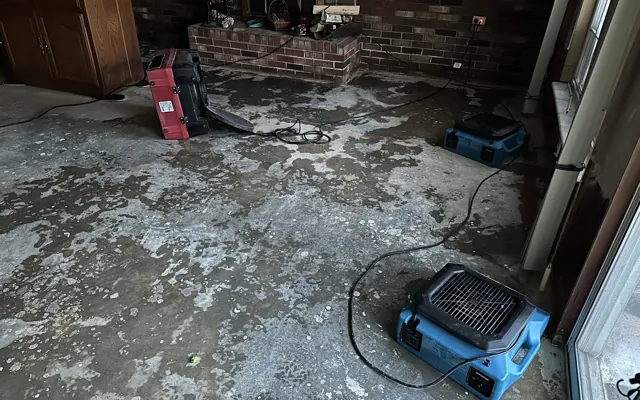
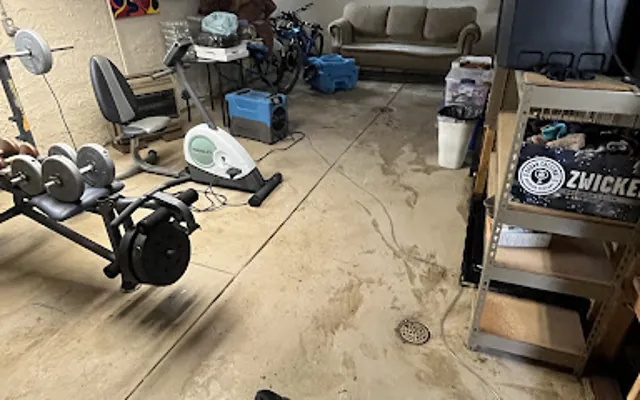
When water damage hits a Fletcher Hills home, from an appliance leak to a storm-driven flood, local crews reach Fletcher Hills in about an hour, day or night. The crew extracts the water, dries the structure, and restores the home.

Fletcher Hills is a hillside neighborhood straddling El Cajon and La Mesa, built mostly from the 1940s through the 1960s with ranch homes set into sloped, view lots. The terrain sends storm runoff straight at foundations and retaining walls, and slab leaks and aging water heaters add to the regular call volume. Crews are familiar with the hillside access and reach Fletcher Hills fast. When water gets into a Fletcher Hills home, the first hours decide how much is saved, so the phone is answered 24/7 and a real crew is dispatched, not an answering service.
Technicians extract standing water, dry the structure to a verified target following IICRC standards, and document everything for the insurance claim. Call (619) 350-2773 and help will be on the way.
Every water loss, one local crew. Focused services, each with its own page and process. These are the ones crews get called for most across East County.

Truck-mounted and submersible units pull standing and absorbed water fast, any hour. Getting it out quickly is what saves your flooring and drywall.
Learn more
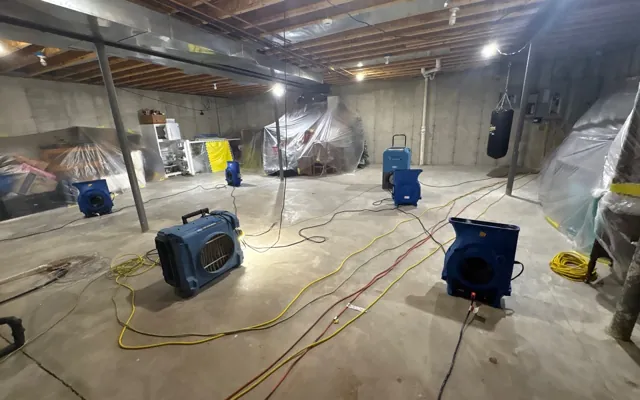
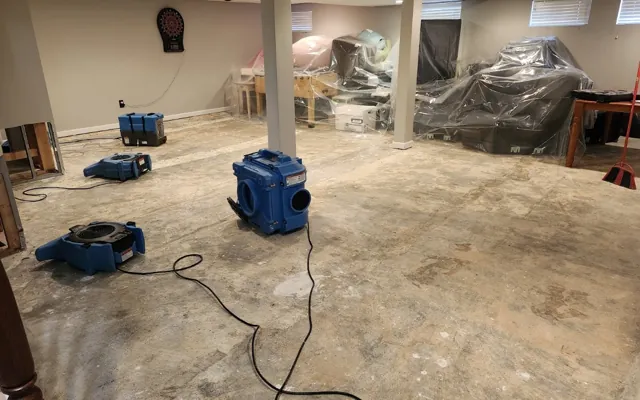
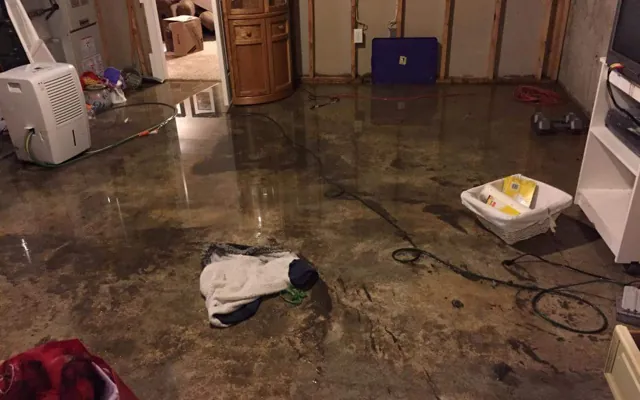
Most Fletcher Hills homes are slab-on-grade, but the rare home with a basement or sunken living area can take on water fast from a winter storm, a sump-pump failure, or a nearby slab leak. Crews pump, extract, flood-cut, and dry the space back to normal.
Learn more
A backed-up line brings contaminated category 3 water up through floor drains. Crews remove it safely, dispose of affected materials, and sanitize.
Learn more
Winter atmospheric-river storms and heavy downpours drive water inside. Crews extract, muck out, and dry storm-soaked homes across the metro.
Learn more
A supply line that lets go can run for hours before anyone notices. Crews shut it off, extract the water, and dry the walls and floors it reached.
Learn more
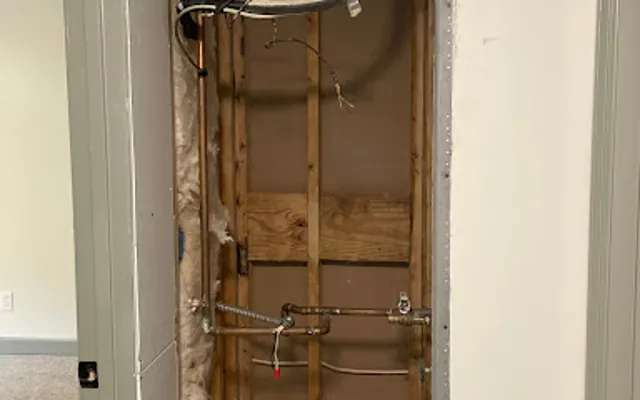
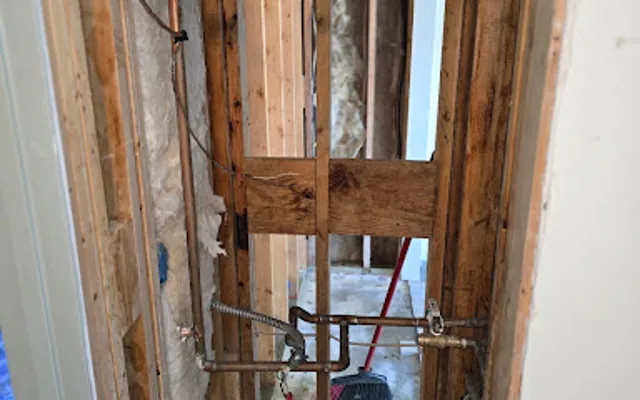
A supply-line fitting in an exterior wall, crawlspace, or unheated garage can corrode or work loose with age and split without warning. Crews clean up the leak and dry every cavity the water found.
Learn more
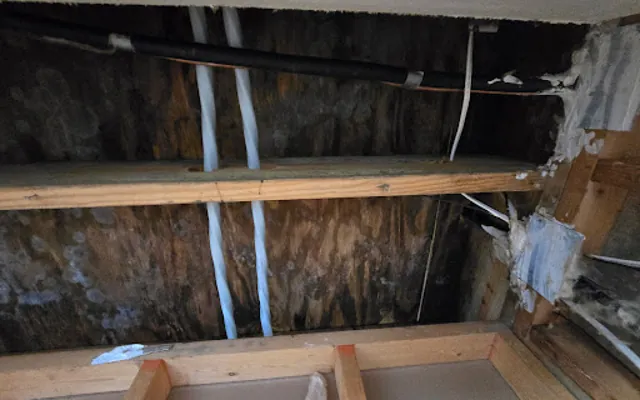
Winter atmospheric-river storms and wind-driven rain work flashing and shingles loose, soaking attics and ceilings. Crews dry the structure and stop the damage from spreading downward.
Learn more
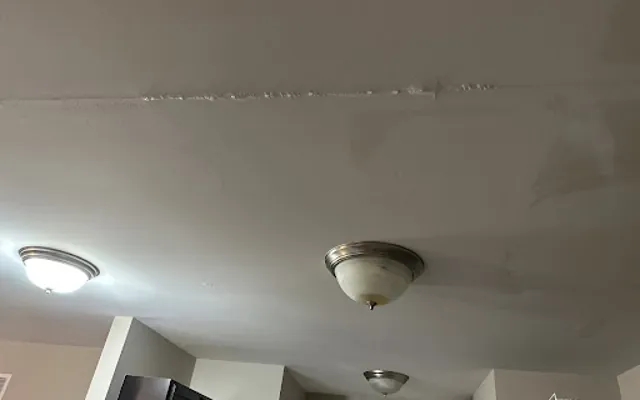
A stained, sagging ceiling usually means water traveling from a leak a room or two away. Crews find the source and dry it out before it falls.
Learn more
When a sump pump quits during a heavy winter storm, water backs up fast around the foundation or into a crawlspace. Crews remove the water and run measured drying until it reads dry.
Learn more
A failed water heater can dump forty gallons or more onto the floor. Crews extract the water and dry the surrounding structure fast.
Learn more
Slab leaks and sewer or main-line backups are far more common causes of a sudden indoor flood here, but on the rare older unit a stuck float or cracked line can still send water down through the ceiling for days.
Learn more
A pinhole leak under the slab wicks up through flooring for days. Crews locate it, extract the moisture, and dry the affected rooms.
Learn moreEvery job follows the same disciplined path, from the first phone call to the final moisture reading. You always know what is happening and why.
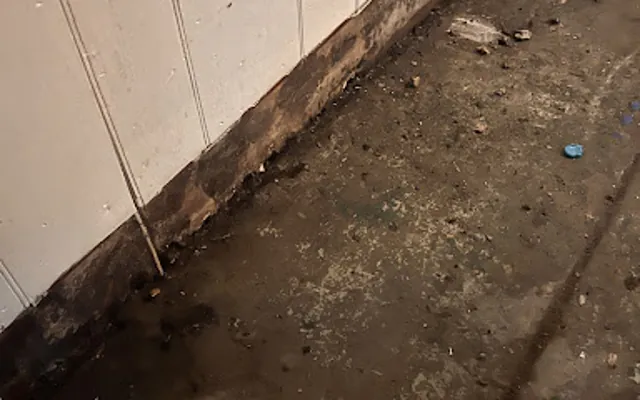
Crews find the source, map the moisture with meters and thermal imaging, classify the water, and photograph everything for your insurance claim.
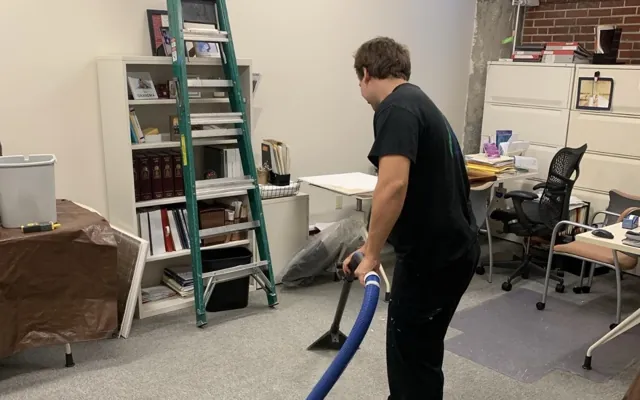
Truck-mounted and portable extractors pull standing water fast, and submersible pumps clear deep flooding in garages or crawlspaces down to a damp surface.
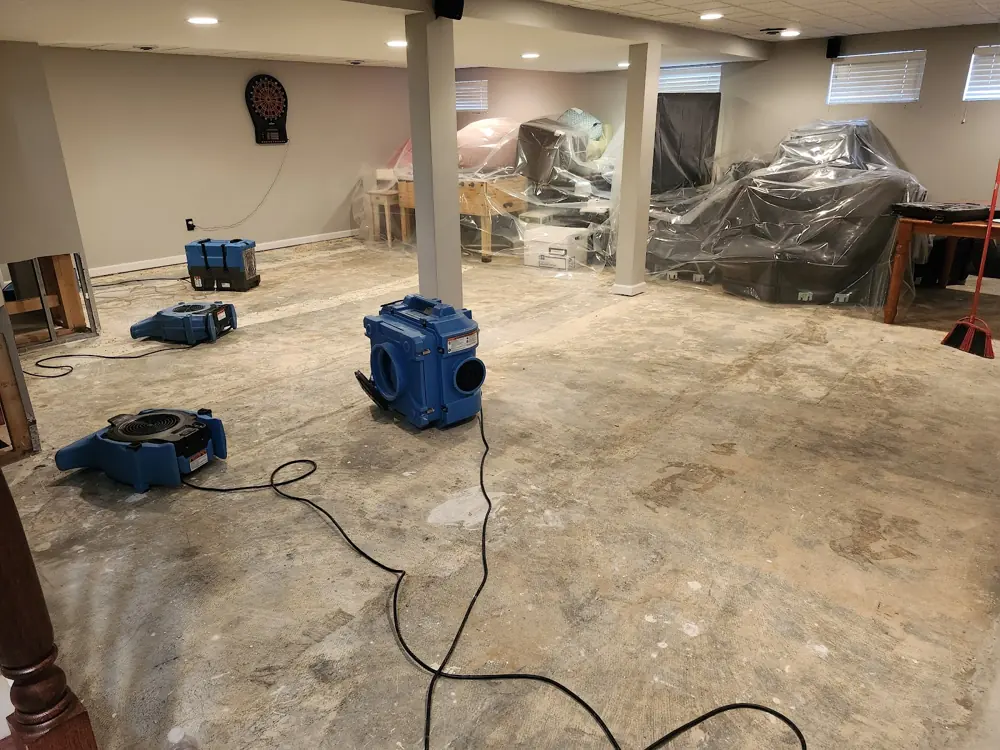
Air movers and commercial dehumidifiers run to an IICRC-standard drying goal, verified daily with moisture readings, not guesswork.
Crews put your home back together, from replacing drywall and baseboards to reinstalling flooring, so the space looks the way it did before.
In Fletcher Hills, CA, water damage restoration typically runs $1,200 to $8,000, depending on the water category, how far it spread, and the materials affected. These are typical ranges across the metro, not a quote, and your insurance carrier often covers most of it.
Every loss is different, and your carrier often covers most of it. For a closer estimate, try the Fletcher Hills water damage cost calculator or call for an on-site scope.
Most sudden water damage, a burst pipe, an appliance that let go, or a storm that drove water in, is covered by a standard homeowner policy. Crews photograph and measure the loss, bill your carrier directly, and you usually pay only your deductible. Sewer backup and river flooding are often separate coverage, and crews will tell you plainly what is likely covered before crews start.
Do not wait for it to spread. Local crews are on call 24 hours a day and can reach Fletcher Hills within the hour.
Call (619) 350-2773